
Skullcap - Stillness
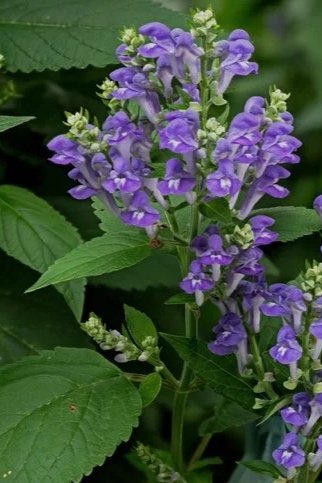
skullcap:
Botanical Name: Scutellaria
Herbal Actions: Nervine, antispasmodic, sedative, anti-inflammatory, anxiolytic, liver-protective, hypotensive
Chakra Energy: Third Eye & Crown
Parts Used: Root (traditionally), leaf & flower (modern)
Concoctions: Tincture, tea, decoction, capsule, infusion
Allies: Chamomile, lavender, yarrow, rose, passion flower, lemon balm, kava kava
“Let the mind quiet, I am in the midst of rebuilding after the storm”
Skullcap’s genus name, Scutellaria, comes from the Latin scutella, meaning small dish or tray, referring to the tiny cap-like shape found at the base of its flowers. This distinctive form inspired both its common name and its longstanding associations with protection, presence, and quiet watchfulness.
In Traditional Chinese Medicine, the root of Skullcap (*Scutellaria baicalensis*) has been used for more than 2,000 years to support the body through heat, inflammation, respiratory illness, digestive imbalance, insomnia, hypertension, and liver-related concerns. Among some Native American traditions, Skullcap root was also used ceremonially in rites of passage for young girls and prepared in decoctions to ease birth pain, support reproductive health, soothe menstrual discomfort, and strengthen the kidneys.
Spiritually, Skullcap is a plant of intention, stillness, and inner discipline. It has long been associated with sacred vows and personal commitments, helping to anchor us to what we know we need. Ruled by Pluto, it speaks to transformation, depth, and the quiet courage it takes to rebuild. With Saturn, it offers steadiness, boundaries, and grounded follow-through. Together, these energies make Skullcap a plant ally for returning to yourself with clarity and resolve.
Skullcap is especially supportive for the weary nervous system when the mind has been overworking for too long. It is often turned to in times of looping thoughts, sleeplessness, restlessness, jaw tension, and tight shoulders. Its presence is gentle yet effective, like a cool breeze across an overheated mind. It calms without numbing, quiets without force, and invites a slow, trusting exhale.
A member of the mint family, Skullcap bears delicate blue-violet flowers often found near rivers, meadows, and edges—those threshold spaces where movement and stillness meet. This feels fitting for a plant that helps the body cross over from activation into rest. Skullcap gently signals the parasympathetic nervous system to come forward, allowing the body to soften and the mind to settle.
Energetically, Skullcap is often connected with the crown and third eye chakras, offering support for insight, spiritual presence, and quiet inner knowing. It is a plant for those gathering themselves after the storm, thread by thread, breath by breath, finding steadiness again.
How to Use Skullcap
Prepare Skullcap tea (or tincture) with companions such as chamomile, passion flower and lemon balm and sit with it at dusk. Light a candle. On a small slip of paper, write down one looping thought or fear. With each sip, offer a breath to the flame and say:
I release this for now. I will return if needed, but rest comes first.
For the nights when the mind will not stop circling, and you wake in the quiet hours—around 2–4am, keep a Skullcap tincture nearby. (It is said that this time is also when the liver is resetting and a common time to awaken. Skullcap also works as a liver protector.)
A few drops under the tongue, where it can be absorbed more quickly, can gently meet the nervous system where it is—without needing to fully wake or turn on the light.
Let it be simple. Let it be enough.



The leaves and flowers are edible and have a fresh, peppery flavor reminiscent of watercress, mustard, or radish. The flowers are beautiful scattered over salads, while the young leaves can be added to sandwiches, chopped into savory dishes, or blended into pesto.