

INSIGHTS
This is where story, soul and science meet — Posts exploring anxiety, trauma, and nervous system regulation with the healing power of breath, movement, bodywork and botanical support. Journal-style musings on intuition, the mother wound, and personal reflections.
These reflections are rooted in lived experience and nervous system wisdom.
Written with care to help you feel seen, supported, and a little less alone.

Nasturtium - The Wanderer
The leaves and flowers are edible and have a fresh, peppery flavor reminiscent of watercress, mustard, or radish. The flowers are beautiful scattered over salads, while the young leaves can be added to sandwiches, chopped into savory dishes, or blended into pesto.

When Fear Wasn’t The Whole Story
I could have labeled what I was feeling as fear. And it was fear. I was afraid to tell her, and my body was reacting. My heart rate increased. My chest felt tight. I noticed a sort of cold tingling moving through what otherwise felt like a heated body. It felt as if I were curling up on myself, hiding.

When The brain Wants An Answer
Humans question things. We wonder why something happened, what something means, whether what we have been told is true, and sometimes even about the nature of reality itself.

Awareness, Discernment and Neuroplasticity
We aren't trying to convince ourselves that everything is good or replace difficult experiences with positive thinking. We are widening the field of awareness and allowing the brain to receive more complete information about the present. With repetition, new experiences can contribute to new neural learning and may begin to change some of the patterns through which we interpret ourselves and the world around us.
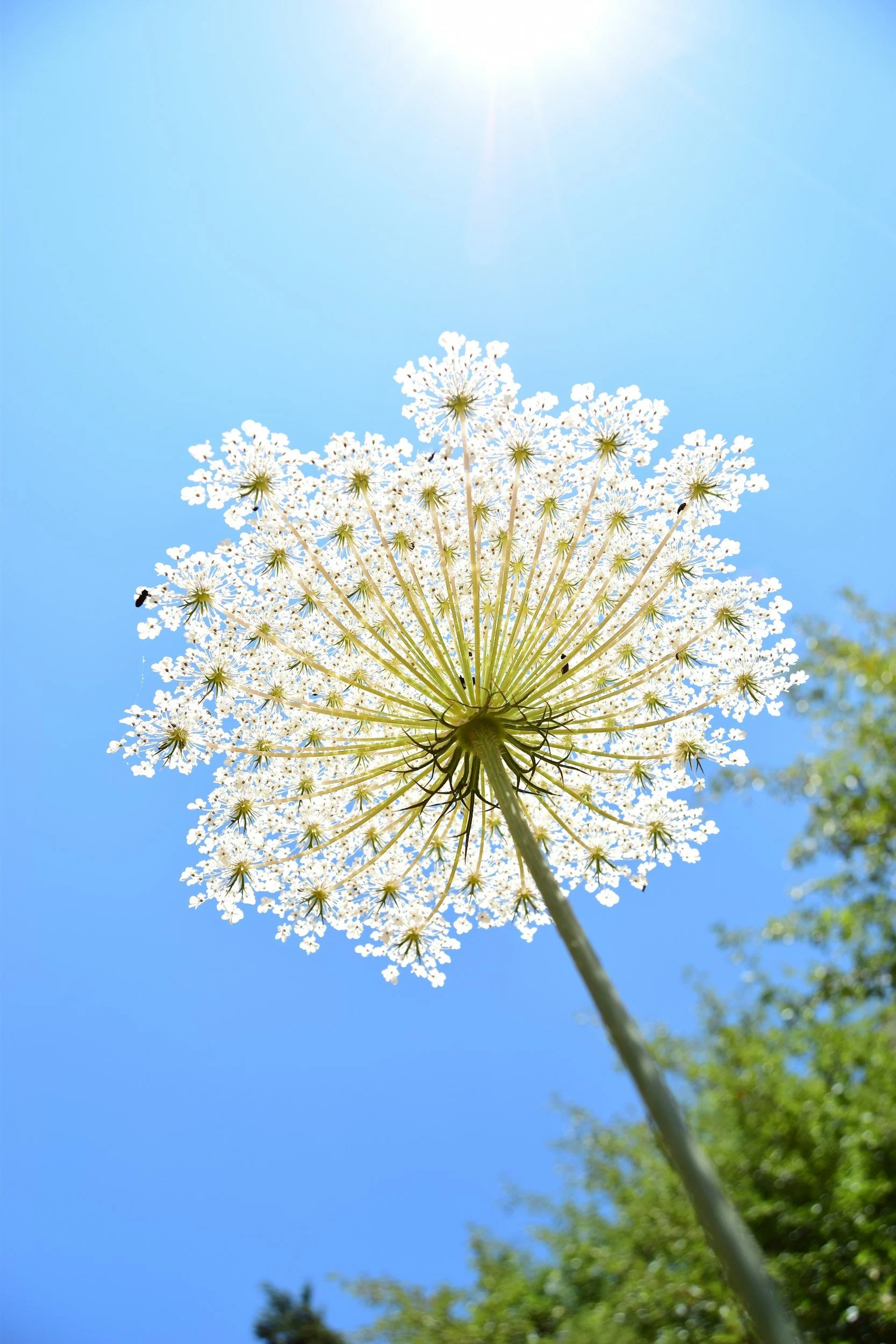
Queen Anne’s Lace - Discernment
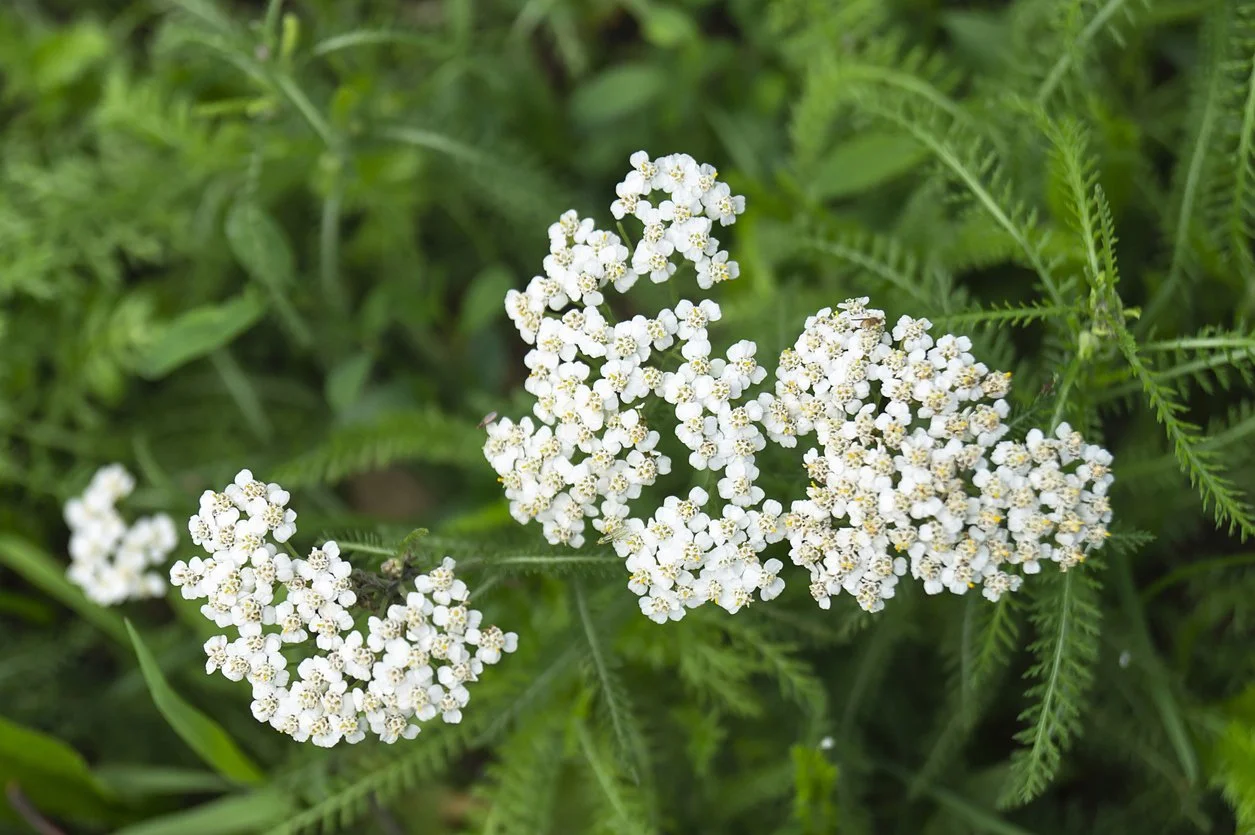
The flowers themselves are worth looking at closely. Each broad flower head is actually composed of many tiny individual blossoms. Often—but not always—a single deep burgundy or purple flower appears near the center. As the flowers mature and seeds develop, the entire umbel begins curling inward, eventually forming the characteristic little “bird’s nest” seen in late summer and fall.
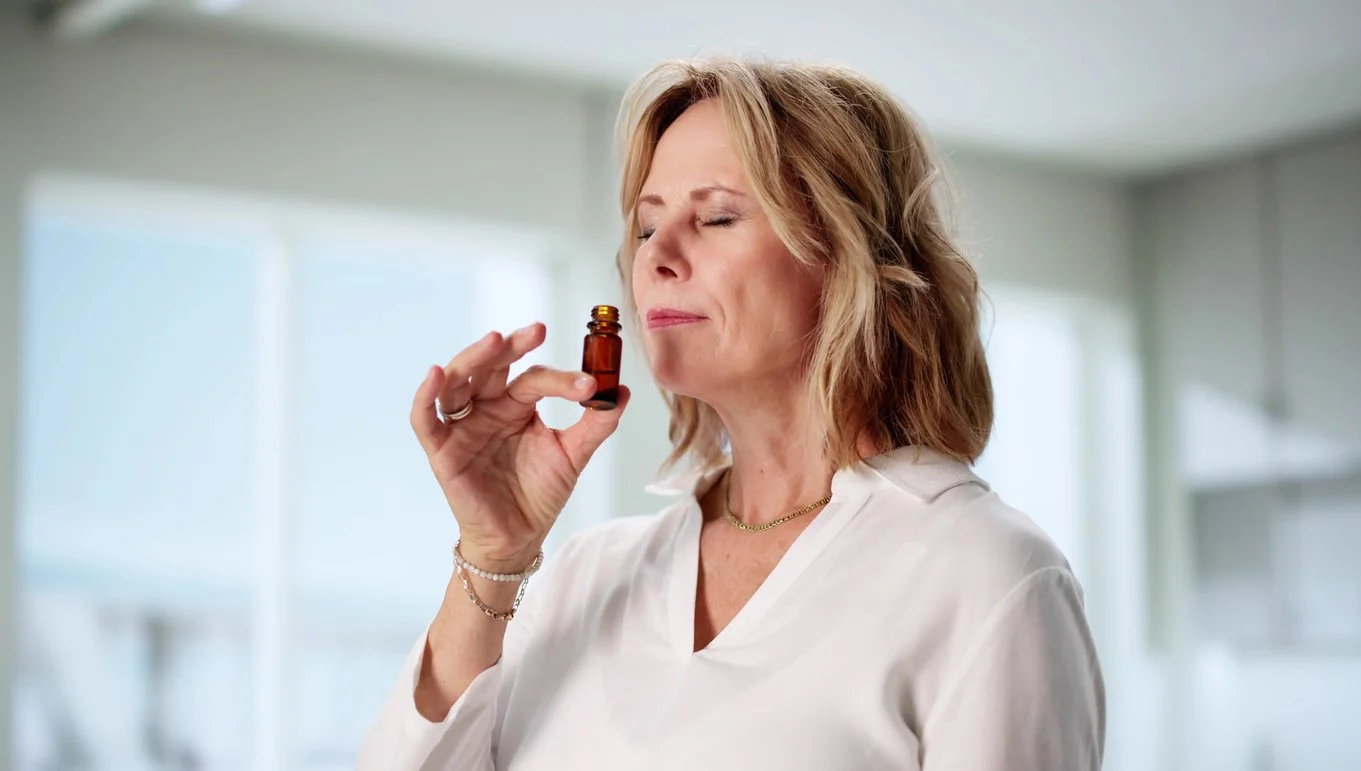
Calming Scents & DIY Essential Oil Inhaler
This is part of why the scent of herbal tea steeping, a favorite candle burning, herbs simmering on the stove, or walking through the forest after rain can feel so deeply comforting. Aroma itself can become a signal — reminding the body of safety, rest, memory, ritual, or home.
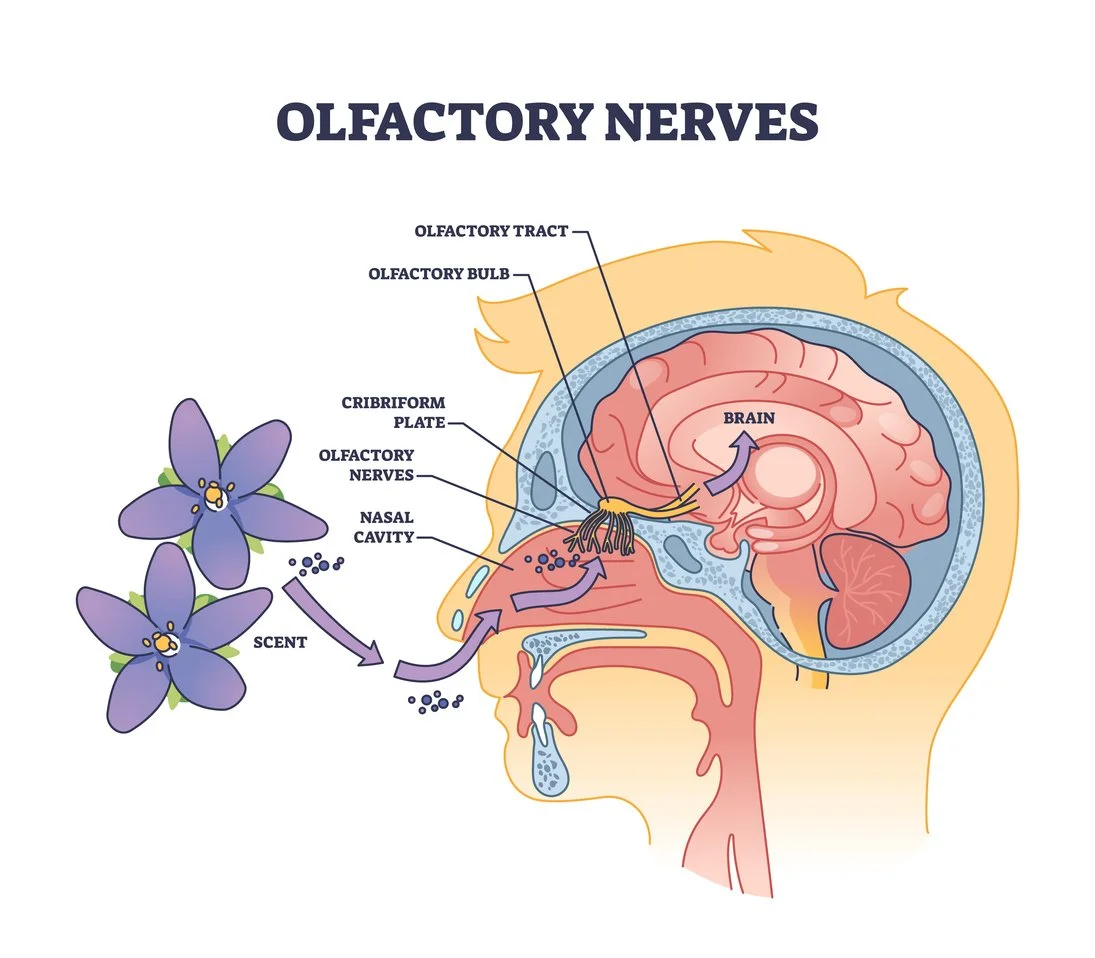
the Connection Between Scent, Memory & Calm
When you inhale the aroma of an herb, flower, essential oil, meal, forest air, or familiar place, tiny scent molecules travel into the nose and meet the olfactory nerve. This nerve carries scent information directly to the olfactory bulb, a small structure at the front of the brain that helps interpret smell.
How Worry Loops Into Anxiety
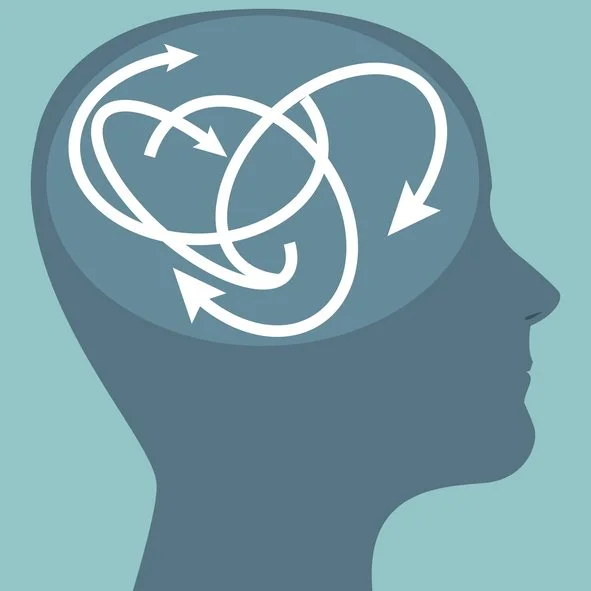
We all hold within our brains a physical, real neural pathways, often referred to as the worry circuit, which plays a central role in how anxiety takes hold. There are three main areas involved in this circuit, although several other structures also contribute to how anxiety is experienced in the body.
Skullcap - Stillness
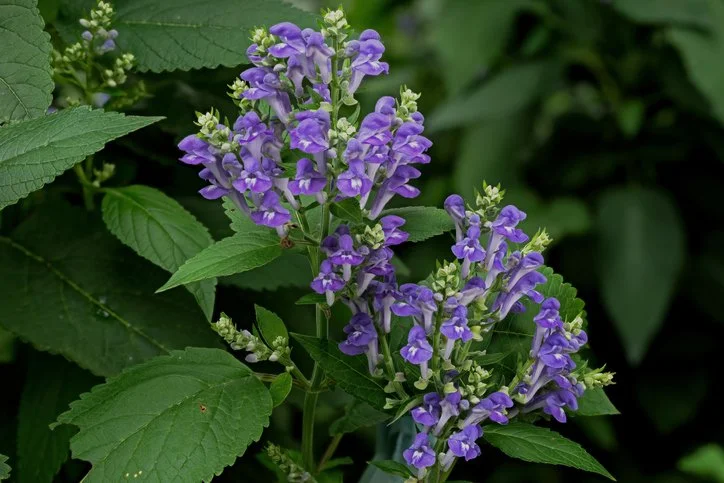
Skullcap is especially supportive for the weary nervous system when the mind has been overworking for too long. It is often turned to in times of looping thoughts, sleeplessness, restlessness, jaw tension, and tight shoulders. Its presence is gentle yet effective, like a cool breeze across an overheated mind. It calms without numbing, quiets without force, and invites a slow, trusting exhale.
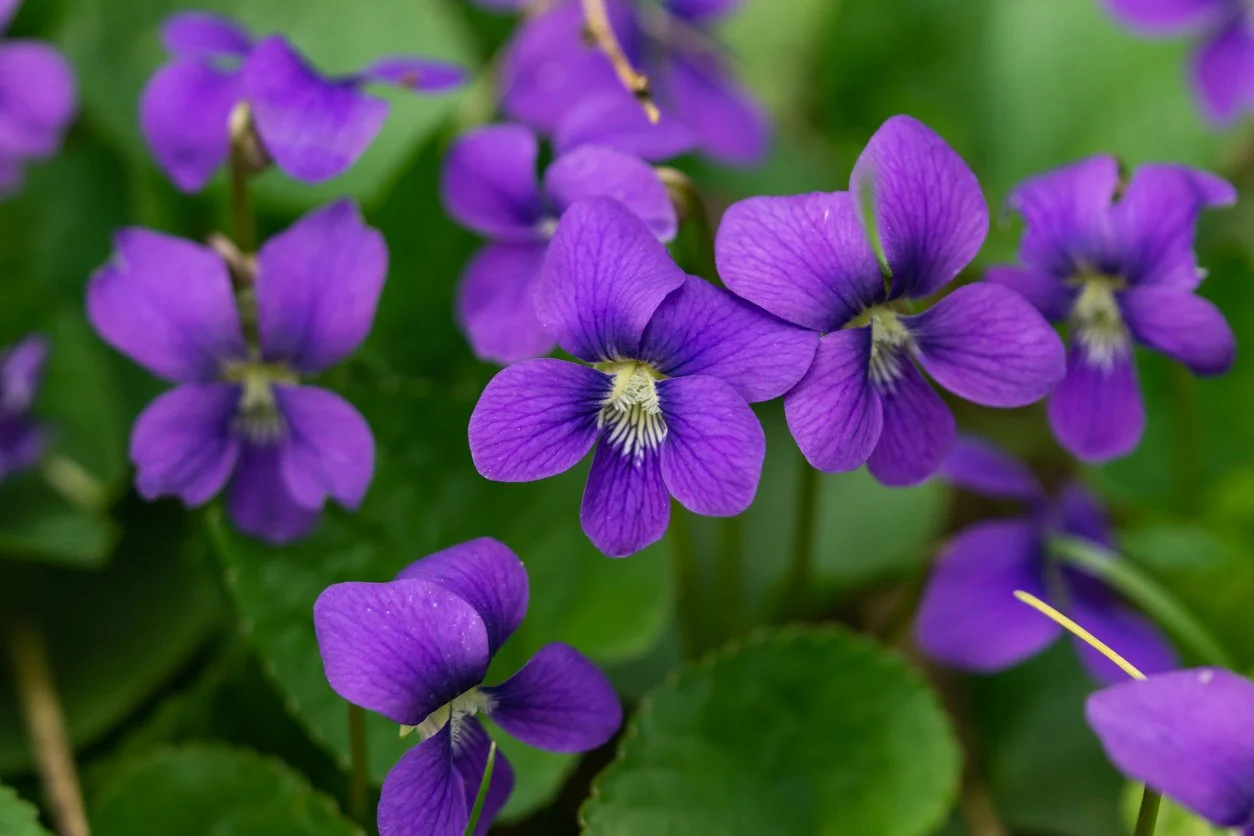
Violet — the Laughing Heart
Violet leaf works quietly on the tissues of the lungs and lymph, encouraging movement without force. As a demulcent, it moistens dryness along the respiratory tract. As an alterative and lymphatic, it supports gentle clearing — not purging, but gradual release. There is no pushing in violet’s medicine.
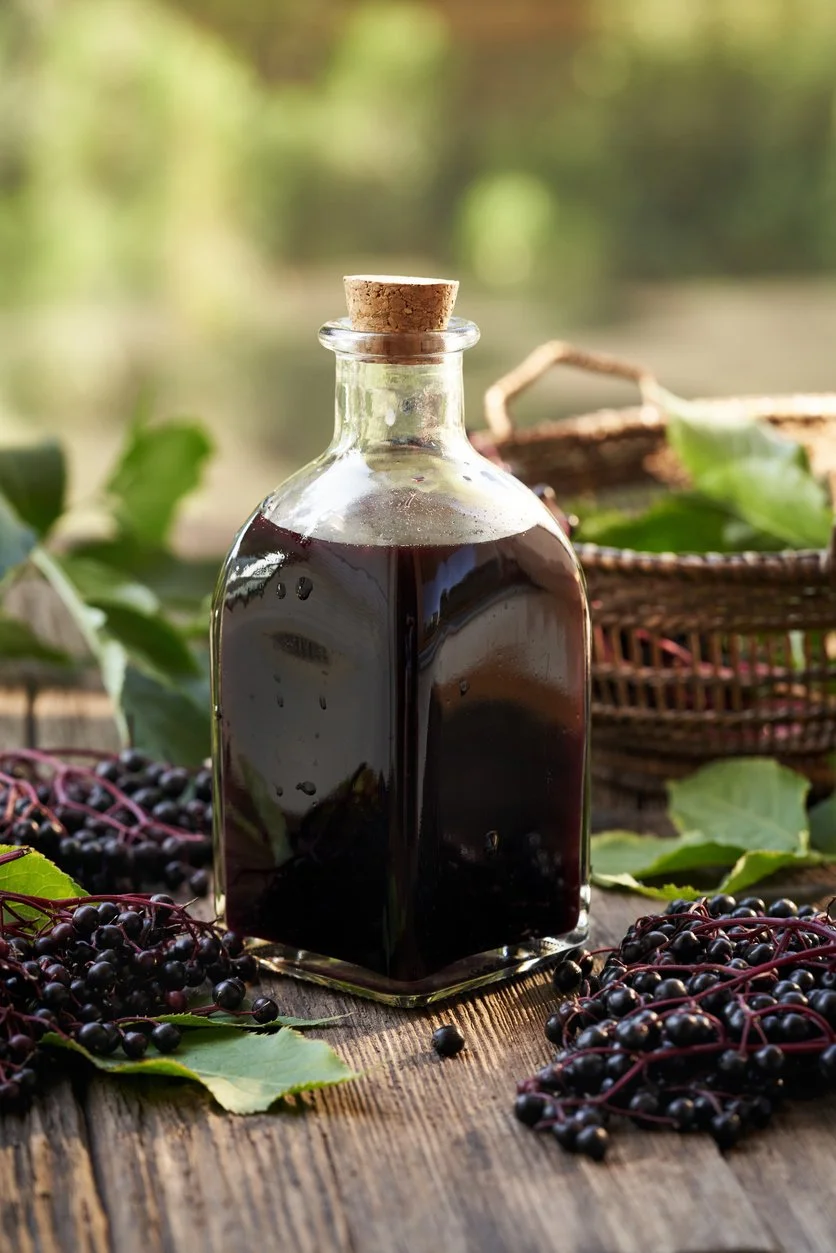
Elder - Wise Mother
Though they come from the same plant, elderflower and elderberry offer very different medicine, each aligned with a distinct phase of support.
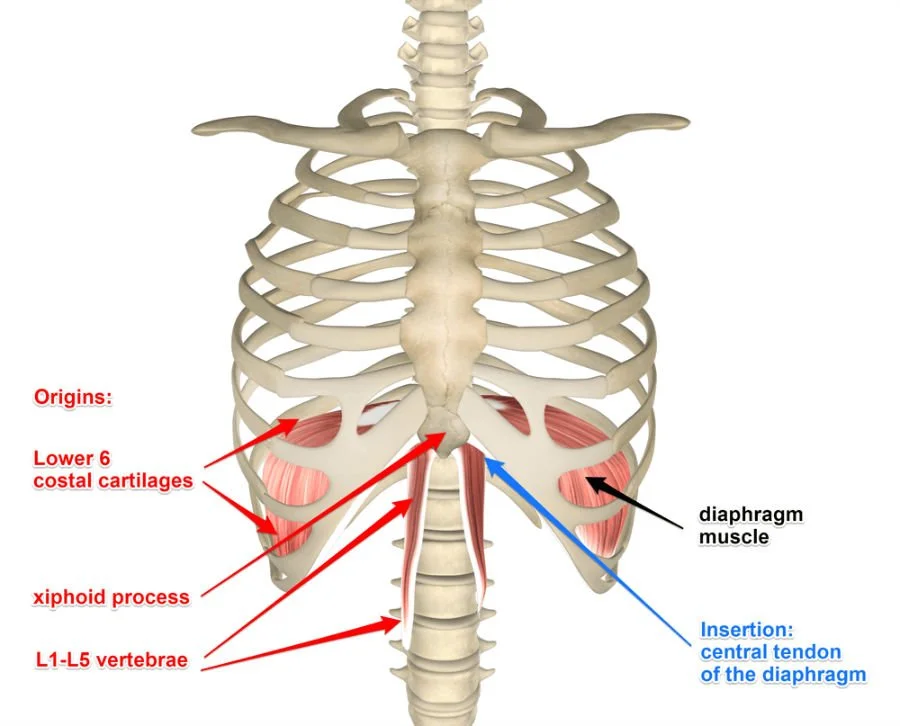
Psoas, Breath, & Anxiety - A Nervous System Conversation
The psoas and the diaphragm are deeply connected — anatomically, neurologically, and functionally. Together, they sit at the crossroads of breath, posture, and survival response. Understanding their relationship helps explain why anxiety so often feels physical, and why gentle approaches can be so effective

When The Body Speaks First
At this time of year it often starts with what we call “getting sick.” A heaviness in the body. A low, quiet ache. A subtle tickle at the back of the throat. Tiredness arrives first. Then the thought follows: Oh no… I’m getting sick.

When My Psoas Became a Messenger For Anxiety
When I slowed down enough to listen this morning, it wasn’t my thoughts that spoke first — it was my body. A familiar tightness deep in my hips, especially on the left. I could trace the tension up along my lower spine. The psoas. A place I’ve learned to associate with vigilance and holding.
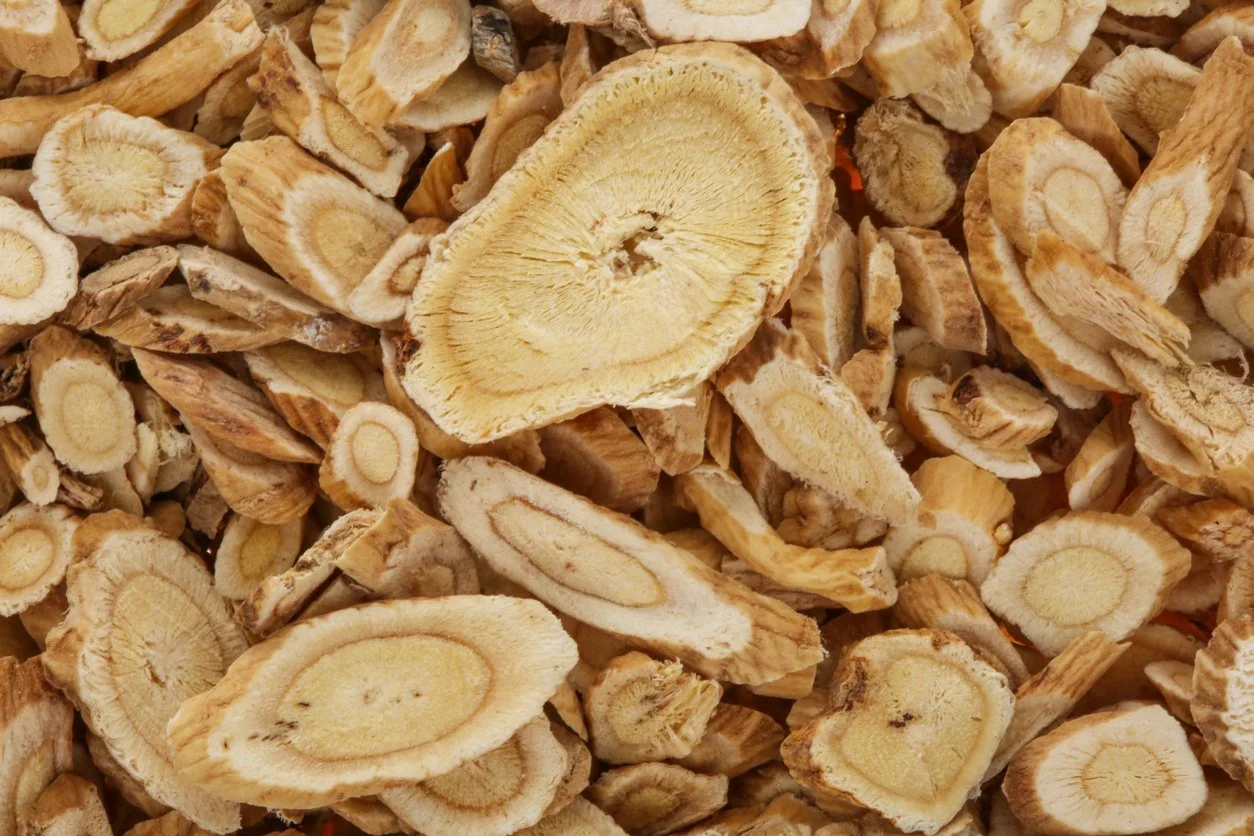
Astragalus — Deep Rooting
Rather than pushing the body to respond, Astragalus builds internal capacity. This makes it especially supportive for anxiety-prone systems that do not tolerate stimulation well. By reinforcing the body’s reserves, anxiety often softens naturally, not because it has been forced away, but because the system feels more supported from within.

Winter Solstice - A Turning Point of Darkness, Light, and Deep Listening
Winter Solstice has been honored for thousands of years because it marks a precise and powerful moment in the earth’s rhythm—
the shortest day and the longest night of the year.
WINTER SOLSTICE RITUAL — WELCOMING THE RETURNING LIGHT
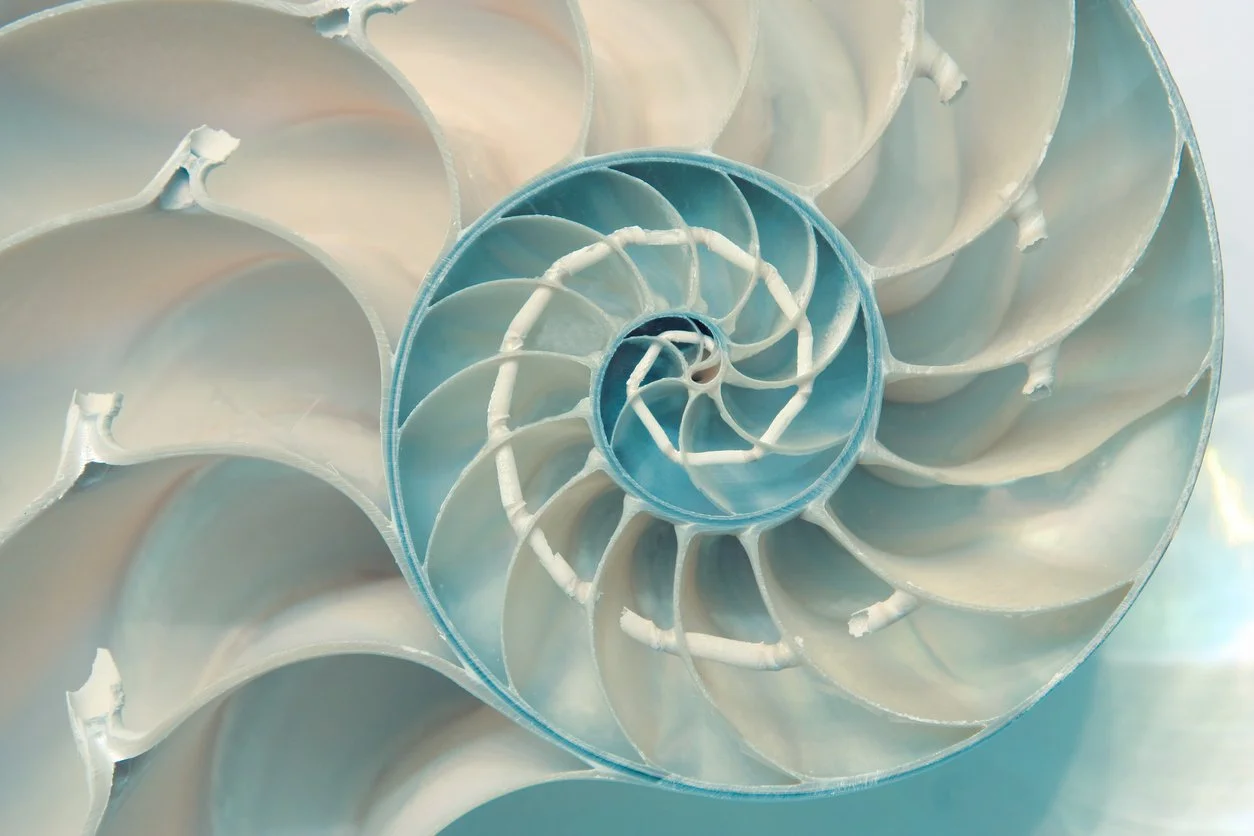
Spiral breath
A gentle practice to help the body soften, unwind tension, and bring awareness to where anxiety may be hiding.
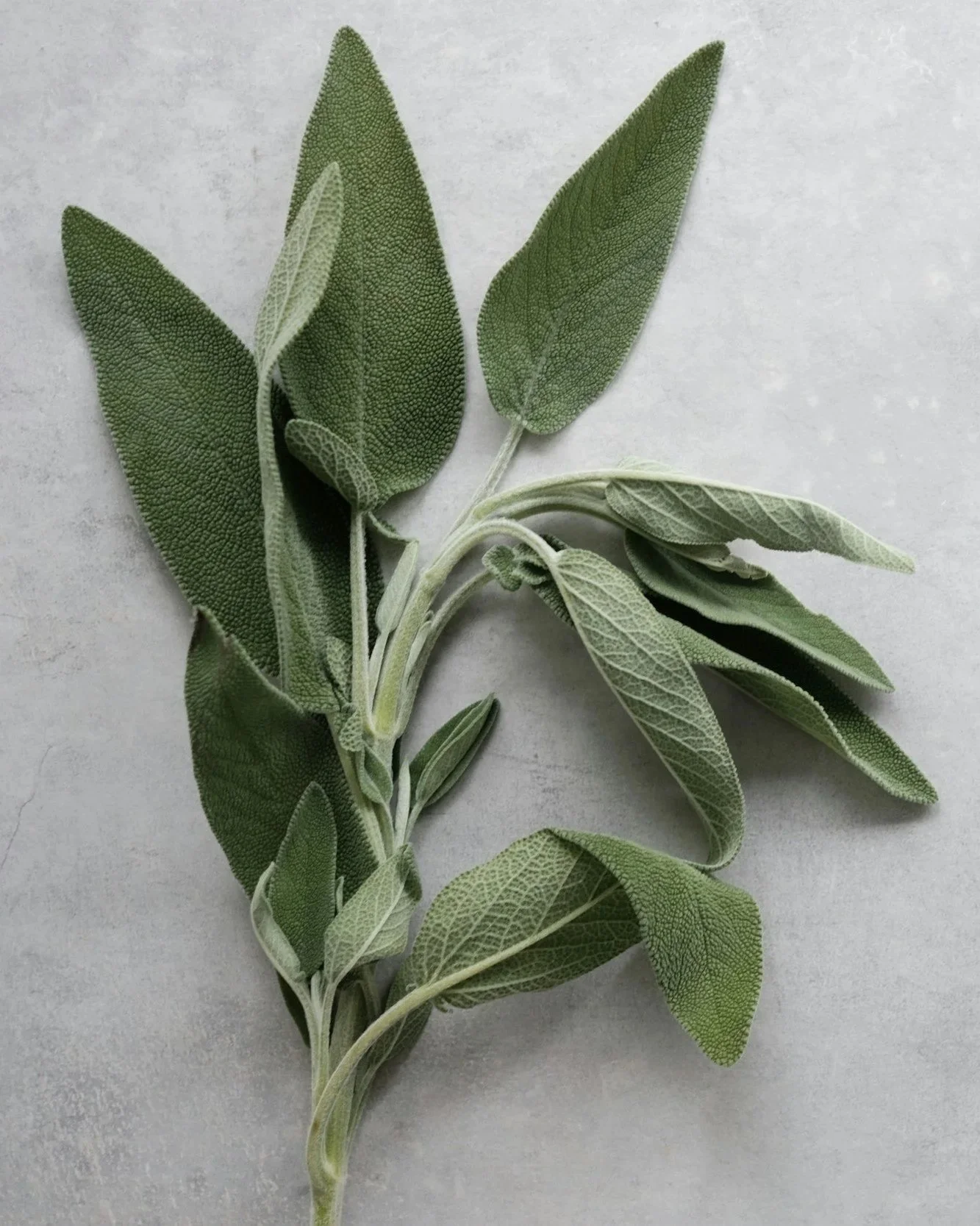
Sage — Wisdom As Protection
Sharp, grounding, and clarifying, this ancient herb helps you hear your truth again—then guards it with quiet strength.