
When the Light Fades: How the Body Responds to Winter
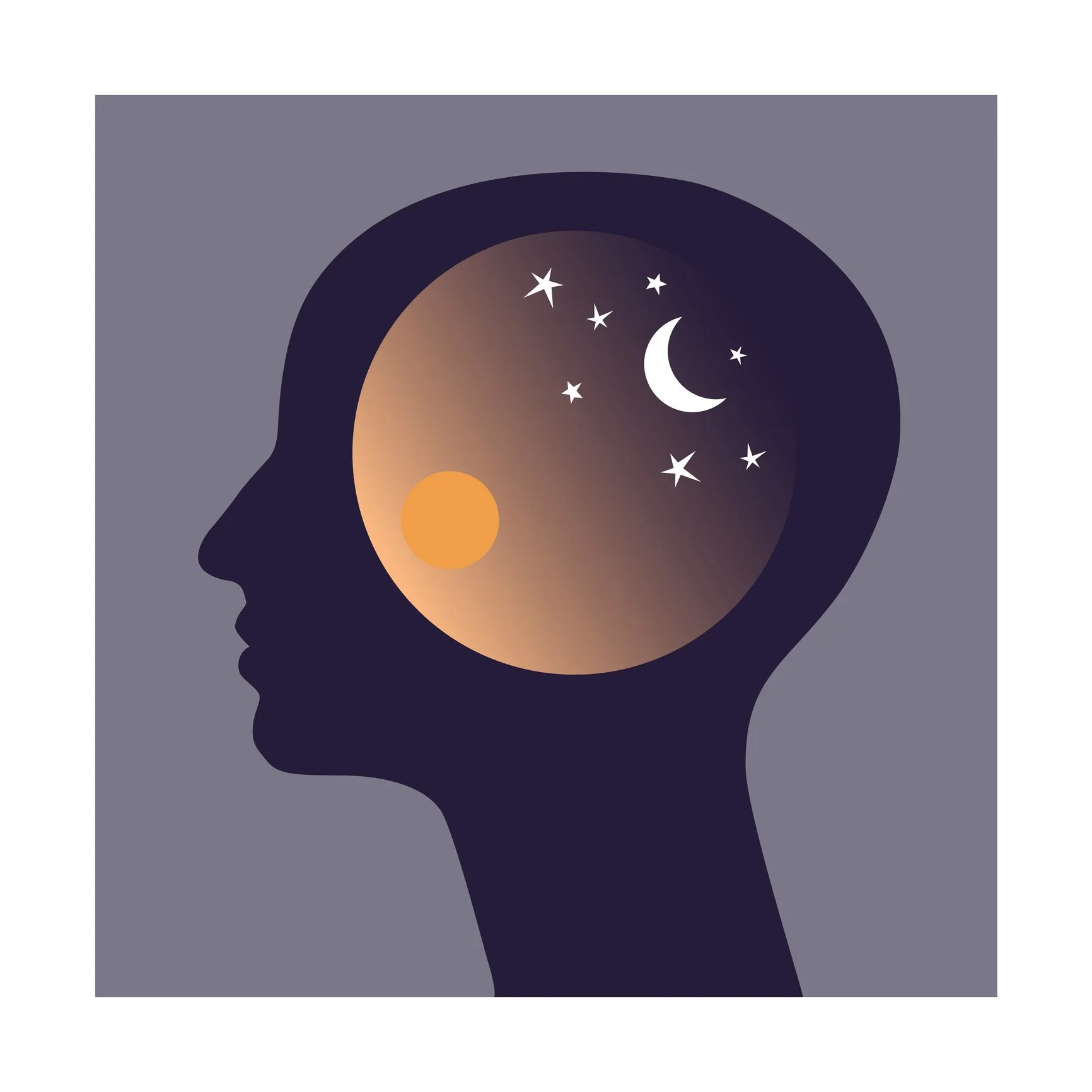
Winter’s earliest shifts happen in the body long before we consciously feel them. As daylight decreases, the brain begins recalibrating through a cascade of biological changes — circadian rhythms tightening and shifting, serotonin production dipping, the pineal gland releasing melatonin earlier, the nervous system adjusting to a slower seasonal pace.
These changes are subtle but powerful, and they shape how we feel: our energy, our clarity, and even our anxiety.
And layered on top of these biological shifts is the cultural pressure of the holidays — a season that asks for activity, socializing, planning, and producing at the exact moment nature is telling the body to rest. This mismatch can intensify anxiety, creating the sense that you "should" have more energy just as your biology is naturally downshifting.
Circadian Rhythm Shifts - Less Light may induce Anxiety
Circadian rhythm refers to the body’s internal 24‑hour clock — the system that regulates sleep and wake cycles, hormone release, temperature, digestion, and overall energy. It responds primarily to light. When daylight changes, your circadian rhythm shifts with it.
Your circadian rhythm depends on light to set the tempo for alertness. When days shorten, the system that manages:
attention
energy
emotional steadiness
has to adjust quickly.
That adjustment period often feels like anxiety.
There’s a brief mismatch between what winter is asking for (slow down) and what your nervous system is used to (the recent pace of everyday life). This friction can feel like:
urgency
pressure to “get everything done now”
worry that time is running out
irritability at your own slowing
You are not regressing — you are re-syncing with nature.
Serotonin Drops Can Mimic Worry
Since serotonin helps regulate both mood and the stability of the stress response, its seasonal decrease can show up as:
intrusive thoughts
increased vigilance
emotional wobbliness
difficulty staying grounded
challenges staying mentally focused
This is why at the beginning of winter you can feel like your thoughts just got louder overnight.
And while winter’s natural shift toward rest-and-digest can support steadier gut-based serotonin, heavier seasonal foods combined with holiday stress can sometimes overwhelm digestion — sending mixed signals up through the vagus nerve and temporarily amplifying anxiety. This is a deeper topic for another time, but it helps explain why winter can feel both grounding and destabilizing depending on the state of the nervous system.
You’re not “more anxious” — you’re responding to a predictable biological change.
Melatonin Shifts Create Emotional Sensitivity
Melatonin is a hormone produced by the pineal gland in response to darkness. It signals the body that it’s time to wind down, supporting sleep, repair, and the natural slowing of evening energy. When winter light fades earlier, melatonin rises earlier — shifting the body toward rest sooner than we may expect.
When darkness comes earlier, melatonin rises sooner. This can create:
early-evening grogginess
emotional rawness
overstimulation from small things
a desire to withdraw
Many women mistake this for “winter depression creeping in,” but it’s often a natural heightening of sensitivity as the body conserves energy.
This sensitivity feels like anxiety because your brain is still trying to operate at summer speed while your hormones are signaling hibernation mode.
The Pineal Gland, Anxiety, and Inner Knowing
As winter light fades, the pineal gland (the tiny gland whose home lies in the middle of the brain) becomes more active, releasing melatonin earlier in the evening and nudging the body toward rest, quiet, and inward focus. This shift doesn’t just change energy — it changes awareness. With less external stimulation, the inner world becomes louder.
For many women, that first rise of inner signals can trigger anxiety. Becoming aware of your inner knowing can feel unfamiliar or even unsafe at first. The moment you start to sense more, the nervous system may respond with:
tightening in the chest
shallow breath
racing thoughts
the urge to distract or avoid
This tightening is protective, but it also blocks the very messages trying to surface.
Intuition is subtle. Anxiety is loud.
When the nervous system constricts, inner messages become distorted. A quiet truth can sound like danger. A gentle nudge can feel like overwhelm. A soft knowing can be misread as threat simply because the body is bracing.
Inner knowing requires a calm environment — not perfect calm, but enough safety for the nervous system to loosen.
When the body softens (warmth, breath, dim light, slowing), the pineal gland’s call toward rest meets the nervous system’s capacity to receive. The messages that were tangled in anxiety begin to arrive in their true form: clear, steady, grounded.
Anxiety isn’t a sign you lack intuition. It’s a sign your intuition is trying to rise — faster than your body feels safe to receive it.
When darkness arrives early, the pineal gland invites you inward — not to withdraw, but to listen.
The Reframe: Anxiety as a Messenger, Not a Threat
Instead of fighting winter anxiety, you can meet it as a guide:
“I’m tired” becomes “My melatonin is rising earlier.”
“I feel overwhelmed” becomes “My energy window shifted.”
“I’m anxious” becomes “My system is recalibrating to darkness.”
This shift from self-blame to self-understanding softens everything.
What If Early Darkness Is a Blessing in Disguise?
We live in a culture that demands sunlight energy all year. But winter has a different medicine.
Winter offers:
more rest opportunities
fewer sensory demands
deeper digestion (physically and emotionally)
increased intuition
a nervous system that is easier to soothe
This is the season when inner signals grow louder.
This is the season when interoception becomes wisdom.
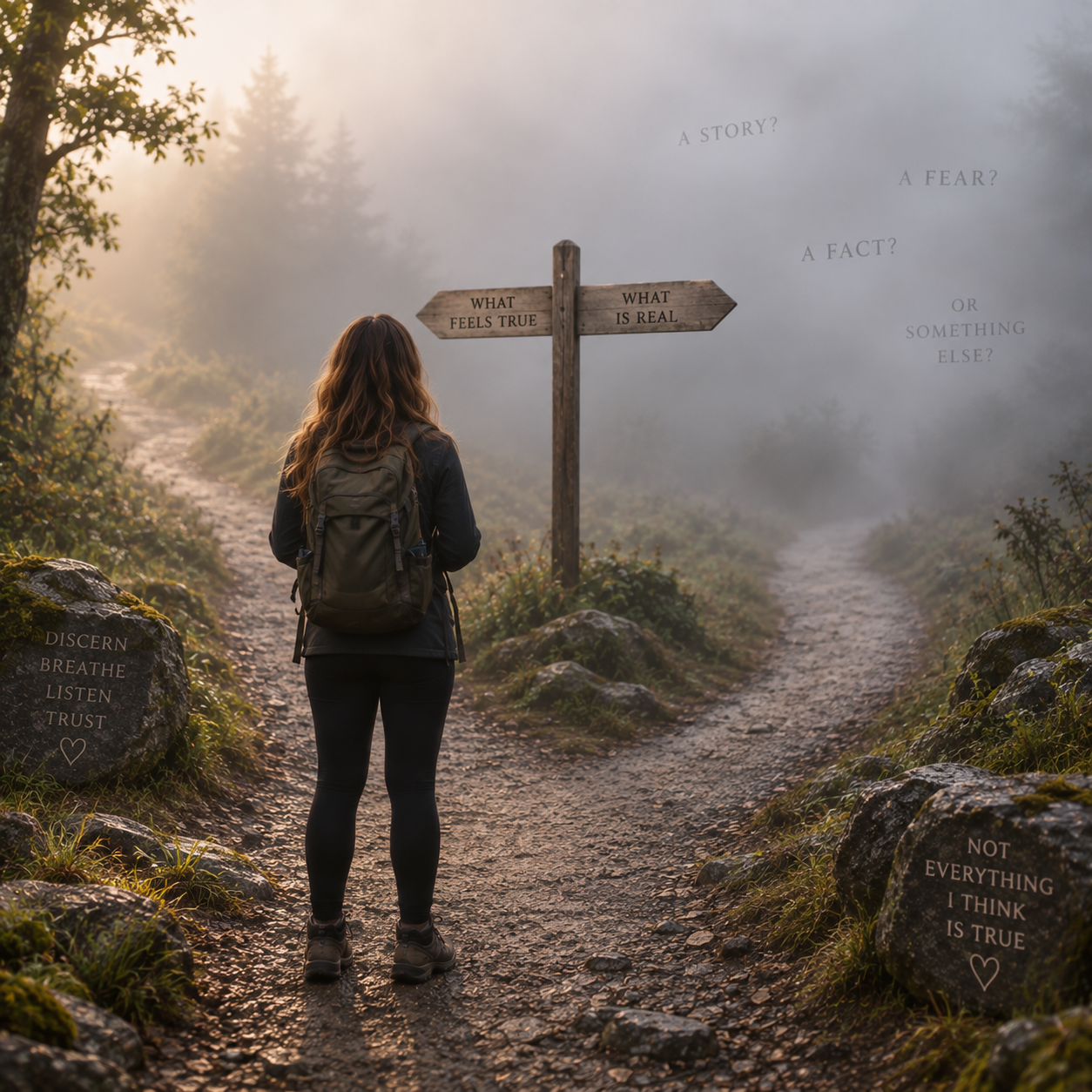


I could have labeled what I was feeling as fear. And it was fear. I was afraid to tell her, and my body was reacting. My heart rate increased. My chest felt tight. I noticed a sort of cold tingling moving through what otherwise felt like a heated body. It felt as if I were curling up on myself, hiding.